Field Guide
Butterfly Watching
Butterfly watching offers a simple and rewarding way to explore nature. Learning when, where, and how to look can reveal a remarkable world that often goes unnoticed.
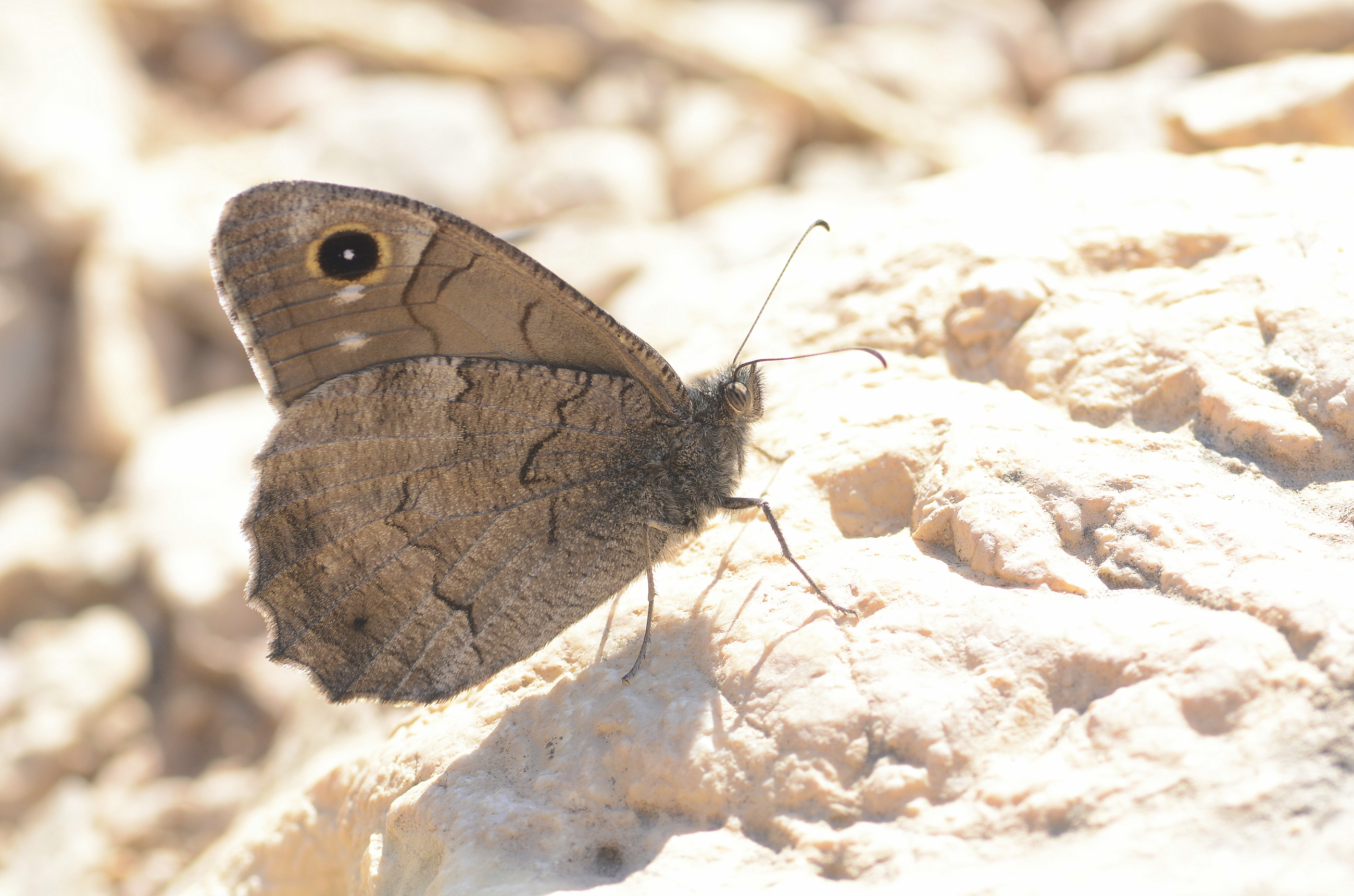
Timing & Habitat
Getting Started
- Late spring through summer is usually the richest season for activity
- Warm, sunny weather with little wind brings out the most butterflies
- Late morning through mid-afternoon is typically the best time of day
- Butterflies can be found wherever flowering plants and host plants grow
- Meadows, forest edges and gardens are reliable habitats to start with
Getting Ready
What You Need
- Comfortable clothing suited to walking in the field
- Water and sun protection
- A camera or mobile phone
- Binoculars, where useful for distant or high-flying species
- A notebook or an observation app to record what you see
- An identification guide to help narrow down what you're looking at
No expensive or specialist equipment is required to get started.
Habitats
Finding Butterflies
- Flower-rich meadows
- Forest edges
- Clearings
- Stream valleys
- Wetlands
- Mountain slopes
- Gardens and urban green areas
Field Ethics
Observing Without Disturbing
- Approach slowly and calmly
- Avoid touching the wings
- Do not damage host plants
- Do not chase or repeatedly disturb the same individual
- Respect protected areas and their rules
- Avoid collecting specimens without appropriate legal and scientific justification
- Record your observations responsibly, without harming what you're observing
Photography
Photographing Butterflies
- Approach slowly to avoid startling the butterfly
- Keep the sun behind or beside you rather than behind the subject
- Photograph both the upperside and underside where possible
- Record the habitat and behaviour, not just the butterfly itself
- Avoid excessive use of flash
- Take wider habitat photographs as well as close-ups
Field Notes
Recording an Observation
- Date
- Location
- Altitude
- Habitat
- Weather
- Behaviour
- Number of individuals
- Sex, where confidently known
- Photographs of both wing surfaces, where possible
Ready to identify what you observed?
Now that you've recorded your sighting, learn how to narrow it down to a species.