Beginner Lesson
Identification Guide
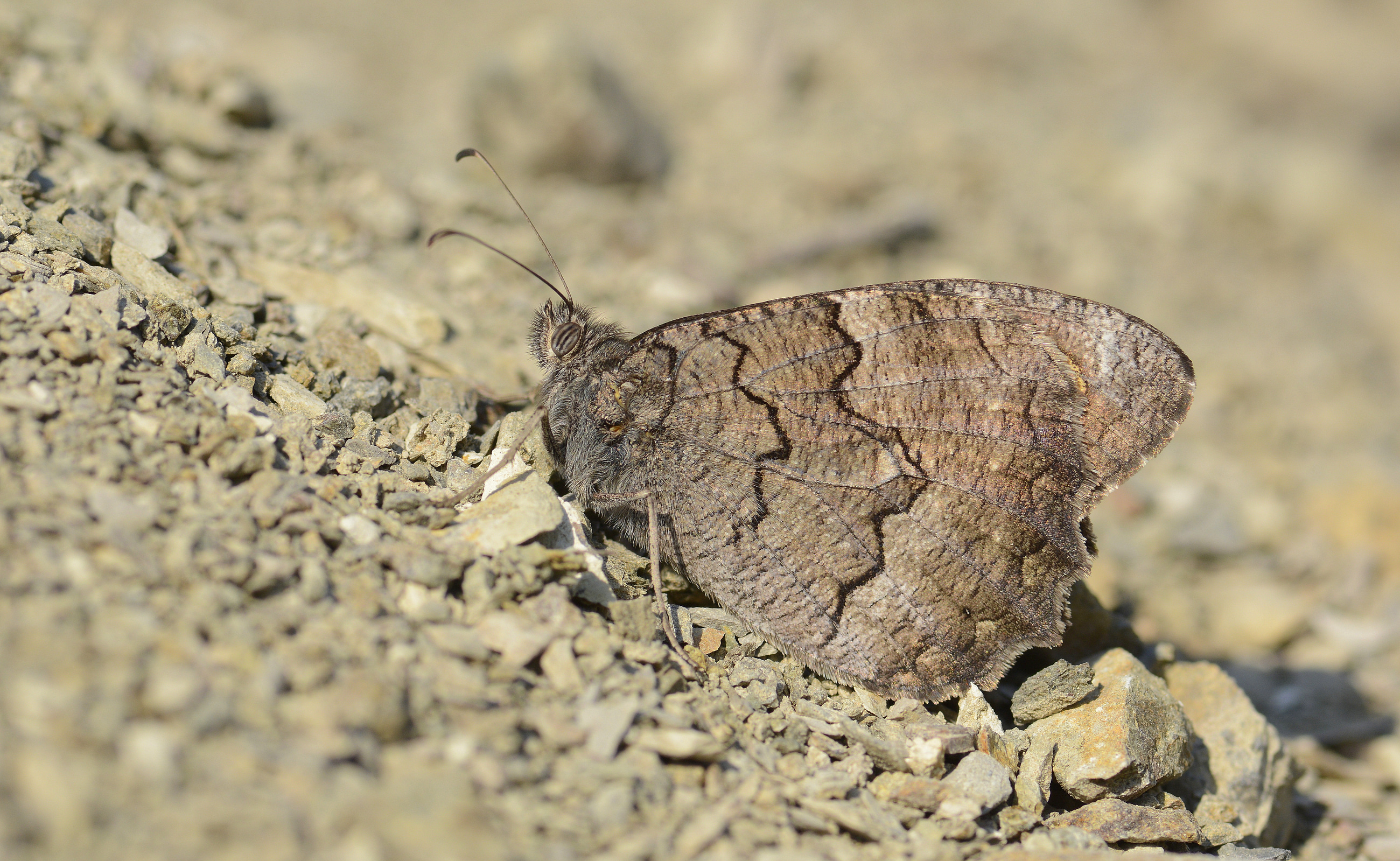
Identifying a butterfly begins with learning where to look. By noticing which wing surface is visible, its approximate size, shape and distinctive markings, you can gradually narrow down the possibilities.
Process
The identification sequence
Working through these points in order, rather than jumping straight to a guess, is the most reliable way to narrow down what you're looking at.
- Size
- Main colour
- Wing shape
- Upperside
- Underside
- Markings
- Habitat
- Location
- Flight period
- Behaviour
Method
The five-step observation method
- 1
Start with the overall appearance
Observe the approximate size, general colour, wing shape and resting position. These may not identify the species on their own, but they help place it in the correct group.
- 2
Are you seeing the upperwing or the underwing?
In many species, the upperwing and underwing look very different. Some butterflies can only be identified confidently when the underwing markings are visible.
- 3
Do not rely on colour alone
Light, camera settings, age and worn wing scales can alter colour. Identification should be based on a combination of markings rather than colour alone.
- 4
Check the wing markings in order
The position of spots, shape of bands, wing margins, veins, eyespots and underwing patterns can all be important. Reliable features differ between butterfly groups.
- 5
Use location and time as supporting evidence
The province and month of observation can help narrow down possible species. Distribution and flight period should support identification, not replace visible diagnostic features.
Field Data
What should you record during an observation?
- Province
- Month and year
- Approximate size
- Upperwing or underwing view
- Male, female or unknown
- Main visible markings
- More than one photograph when possible
Identification Confidence
Not every photograph allows a certain identification
Some butterflies can be recognised from a single photograph. Others require both upperwing and underwing views. In very similar species, a photograph may only narrow the identification to a small group.
Confident identification
Most likely
Several possible species
Insufficient photograph
Family Groups
Begin with the family
Instead of immediately identifying a butterfly to species level, first decide which broad group it resembles. Skippers, whites, blues, coppers, swallowtails and browns have different body shapes and wing characteristics.
Papilionidae
Coming soonSwallowtails
Large, often tailed butterflies, including swallowtails and Apollos.
Pieridae
Coming soonWhites
Familiar white and yellow butterflies of meadows and gardens.
Nymphalidae
Coming soonBrush-footed butterflies
The largest and most varied family, including fritillaries, browns, and admirals.
Lycaenidae
Coming soonBlues & Coppers
Small, often iridescent blues, coppers, and hairstreaks.
Hesperiidae
Coming soonSkippers
Fast-flying, moth-like skippers with stout bodies.
Riodinidae
Coming soonMetalmarks
A very small family with only a few representatives in this region.
Wing Surfaces
Upperside and underside
Some species can only be identified confidently once both the upperside and underside have been seen — spot sequences, eyespots and other underside markings are often the more reliable features. The wing anatomy lesson covers both surfaces, and the wing regions within them, in more detail.
Learn about wing anatomy→Sexual Dimorphism
Male and female differences
In some species, males and females differ noticeably in colour or pattern — a difference known as sexual dimorphism. In many others, the sexes look almost identical, or can only be told apart from certain angles or on close examination. Treat sex as a feature to note when it's confidently visible, not something every observation needs to resolve.
Variation
Seasonal and individual variation
A single species can look different from one individual, one generation, or one region to the next.
- Spring and summer generations of the same species can look noticeably different
- Wear from age and weather can dull or damage wing scales
- Faded colour is common in older individuals and doesn't indicate a different species
- Individuals of the same species can vary in markings and intensity of colour
- The same species can look slightly different from one region to another
Supporting Evidence
Context matters
Where and when you saw a butterfly is never enough on its own, but combined with visible features it can meaningfully narrow the possibilities.
- Location
- Date
- Altitude
- Habitat
- Behaviour
Comparison
Comparing similar species
Side-by-side comparisons are one of the most useful tools for species that are easily confused. Verified comparisons will be added here as they're documented.
No verified species comparisons are published yet.
Limitations
Identification limitations
Not every butterfly can be identified to species level from a single photograph. In some genera and species groups, confident identification requires examining the genitalia or using molecular methods, and even experienced observers may only be able to narrow a sighting down to a small group of possible species. An uncertain identification is a valid, honest outcome — not a failure.
Common Mistakes
Common beginner mistakes
- Choosing a species only by its general colour
- Misjudging the butterfly's real size from a photograph
- Confusing upperwing and underwing views
- Treating one marking as definitive evidence
- Forgetting that males and females may look different
- Giving location more importance than visible diagnostic features
Next step: learn wing anatomy
Once you understand the main wing regions, identification descriptions become easier to follow and diagnostic markings are easier to locate.
Continue exploring
Explore the species atlas, or head out and start watching butterflies in the field.