Beginner Lesson
Learn to read the markings on a butterfly wing
Butterfly identification depends not only on colour, but also on where markings appear on the wing. Once you understand the main wing regions, comparison guides and identification descriptions become much easier to follow.
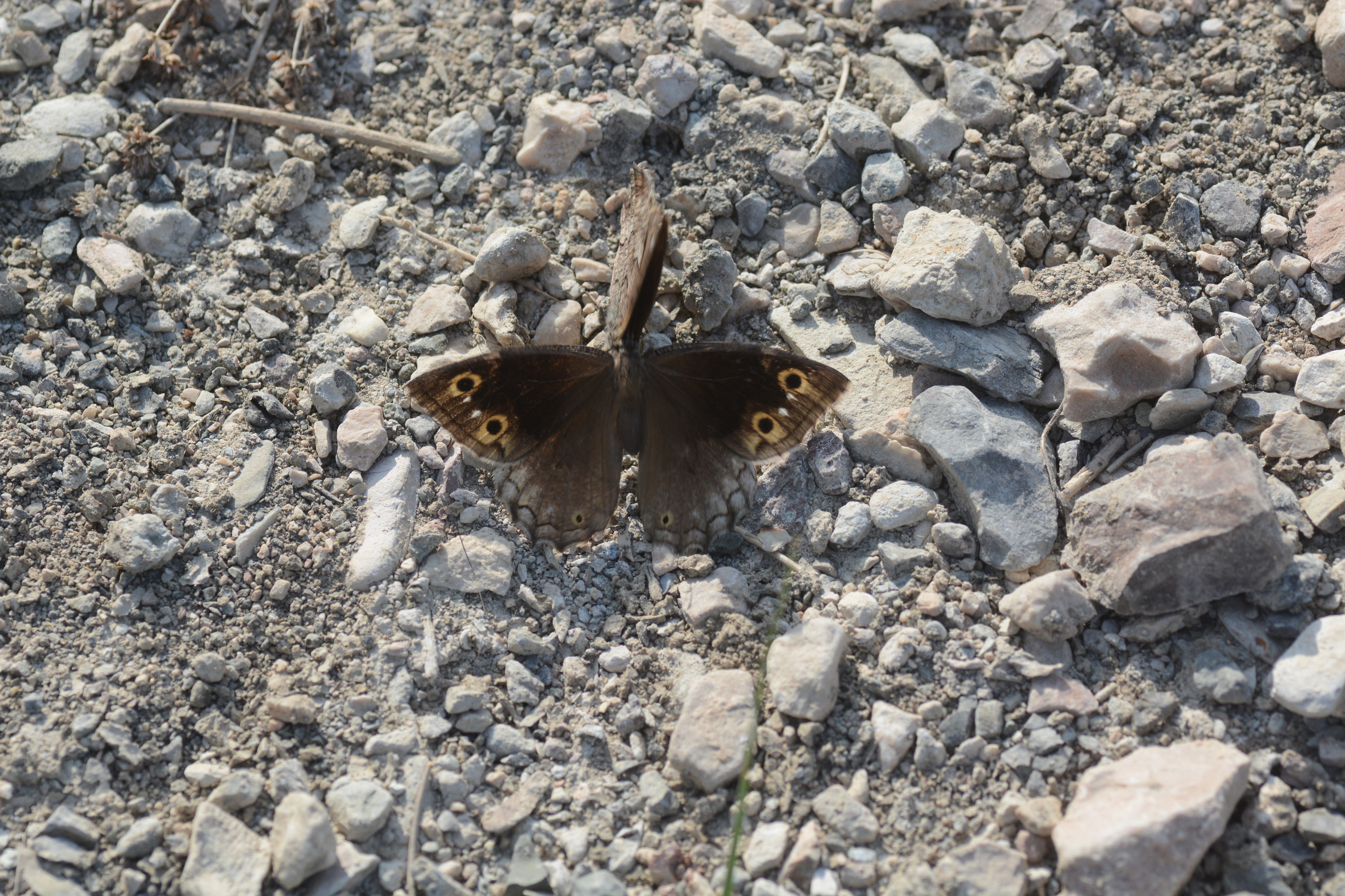
Interactive Figure
Main parts of the wing
Select a numbered point on the photo, or a term below, to see its explanation.
Forewing
The front pair of wings.
Why it matters: Important identification features such as the apex, leading edge and cell may be visible here.
All wing parts
Wing Surfaces
Upperwings and underwings are not the same
Upperwing
The upper surface seen when the butterfly opens its wings. General colour, dark borders, male scent scales and large patterns are often easier to see here.
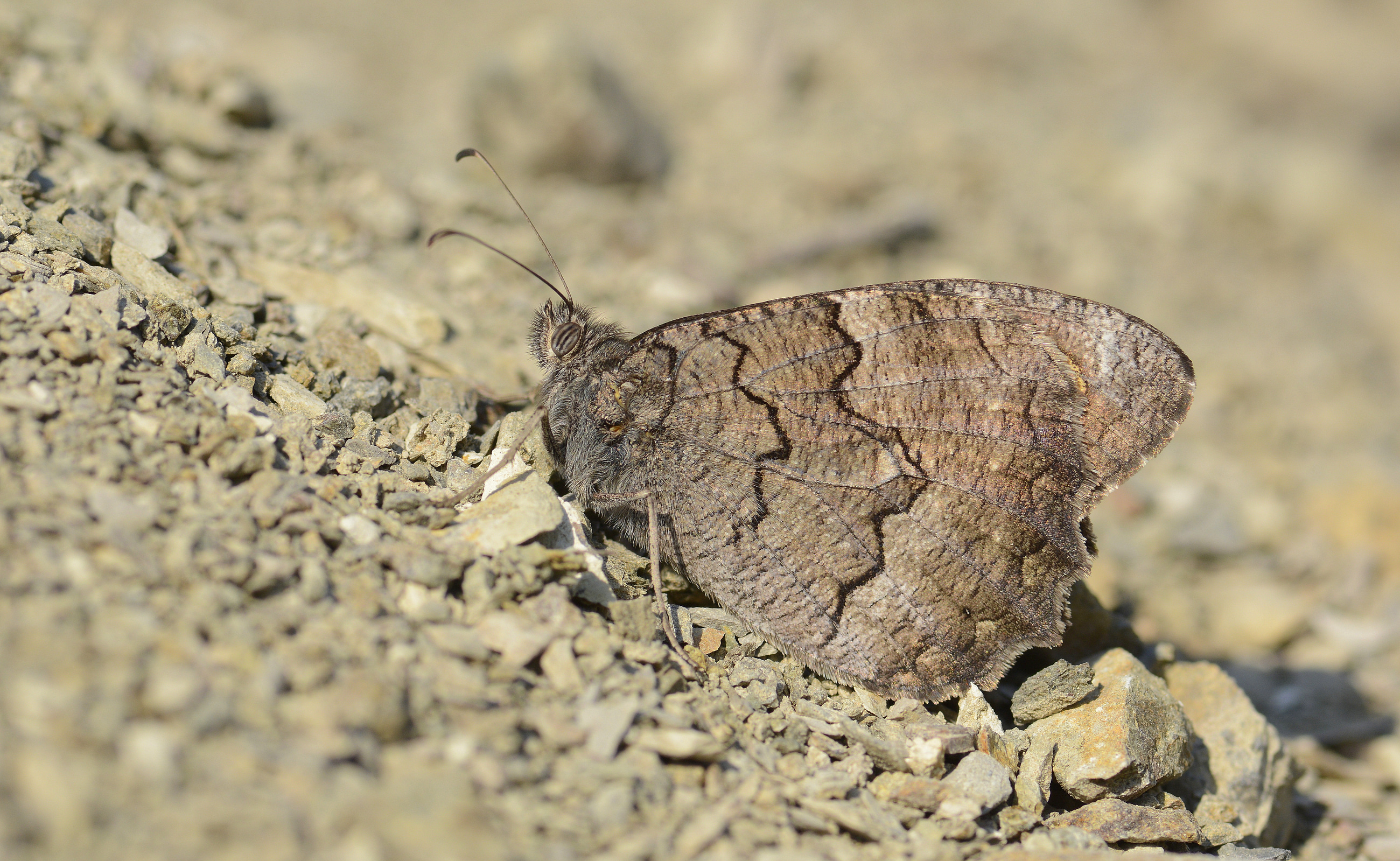
Underwing
The lower surface seen when the butterfly closes its wings. Spot sequences, eyespots, silver markings and camouflage patterns may be more reliable in many species.
Some species require both upperwing and underwing views for confident identification.
Wing Regions
The position of a marking matters as much as its shape
Two species may have similar spots, but their position relative to the wing base, cell or outer margin may differ. Identification descriptions therefore refer carefully to the wing region in which a marking occurs.
- Basal
- Discal
- Postdiscal
- Submarginal
- Marginal
Wing Markings
Wing markings commonly used in identification
Spot
A small, defined wing marking.
General featureEyespot
A rounded, eye-like marking, common in browns and satyrids.
Used in some groupsBand
A stripe-like marking crossing the wing.
General featureMarginal border
A darker band running along the wing edge.
General featureDarkened veins
Veins that appear darker or more prominent than the wing background.
Used in some groupsSilver or white marking
A reflective or pale marking, often seen on the underwing.
Used in some groupsOrange submarginal markings
Orange spots positioned just inside the wing margin.
Used in some groupsMale scent scales
Specialised scent-releasing scales found only in males of some species.
Used in some groupsOne marking is not always enough
Wing markings can vary between individuals. Wear, light, sex and geographical variation may change their appearance. Confident identification often requires several features to be considered together.
Feature Reliability
Not every feature is equally reliable
Strong diagnostic feature
A usually consistent feature with high importance when comparing a species or species group.
Supporting feature
A feature that strengthens an identification when considered with other markings.
Variable feature
A feature affected by individual variation, sex, light, wear or geography and which should not be used alone.
Practice
What order should you follow when examining a photograph?
- 1Is it an upperwing or underwing view?
- 2Are both forewing and hindwing visible?
- 3What is the overall wing shape?
- 4In which wing region are the markings?
- 5Do several markings support the same possibility?
- 6Is the photograph sufficient for a confident identification?
Reference
Quick wing anatomy glossary
Forewing· Ön kanat
The front pair of wings.
Why it matters: Important identification features such as the apex, leading edge and cell may be visible here.
Hindwing· Arka kanat
The rear pair of wings.
Why it matters: Eyespots, marginal bands, tails and underwing patterns are important here in many groups.
Wing base· Kanat tabanı
The area where the wing joins the body.
Why it matters: Basal scaling or colour may support identification in some species.
Leading edge / Costa· Ön kenar
The upper edge of the forewing running from the body to the wing tip.
Why it matters: The position of some bands and spots is described in relation to this edge.
Apex· Kanat ucu
The outer tip of the forewing.
Why it matters: Its shape and markings may be useful in some butterfly groups.
Outer margin· Dış kenar
The outer edge of the wing.
Why it matters: Its shape, dark borders and fringe pattern can be useful during identification.
Inner margin· İç kenar
The lower edge of the wing closer to the body.
Why it matters: It is used as a reference when describing the position of markings.
Discal cell / Wing cell· Kanat hücresi
A central area enclosed by wing veins.
Why it matters: Lines, spots or marks inside the cell can be important in some groups.
Wing veins· Kanat damarları
Fine structures that support the wing.
Why it matters: Their darkening, relationship with markings or association with male scent scales can sometimes help identification.
Fringe· Kanat saçağı
The fine hair-like edge along the outside of the wing.
Why it matters: A plain, lined or chequered fringe may help distinguish some species.
Marginal area· Kenar bölgesi
The area nearest the outer wing edge.
Why it matters: Dark borders and pale markings may occur here.
Submarginal area· Kenar altı bölgesi
The area immediately inside the wing margin.
Why it matters: Eyespots, orange markings and rows of spots often occur here.
Eyespot / Ocellus· Göz beneği
A rounded marking resembling an eye.
Why it matters: Its number, size, centre and position can help separate species.
Band· Bant
A linear or stripe-like marking across the wing.
Why it matters: Whether it is continuous, broken, straight or curved may be important.
Spot· Benek
A small, defined wing marking.
Why it matters: Its position and relationship with other spots are usually more useful than its presence alone.
Next step: recognise butterfly families
Now that you understand the main wing regions, you can begin placing butterflies into broad visual groups.